A First Guide to Webley Air Pistol Dating
Webley Air Pistol Dating.
An Owners/Collector’s Guide to Models, Serial Numbers, and Production History
Accurately dating and verifying Webley Classic air pistols is a key concern for collectors, shooters, and historians. Produced by Webley & Scott in England, these iconic air pistols span pre-war, post-war, and modern production periods, each with distinct identifying features.
This guide explains how to identify Webley air pistol models, understand serial and batch numbering, and avoid common mistakes when assessing originality and age.
Webley Air Pistols: Pre-War vs Post-War Production.
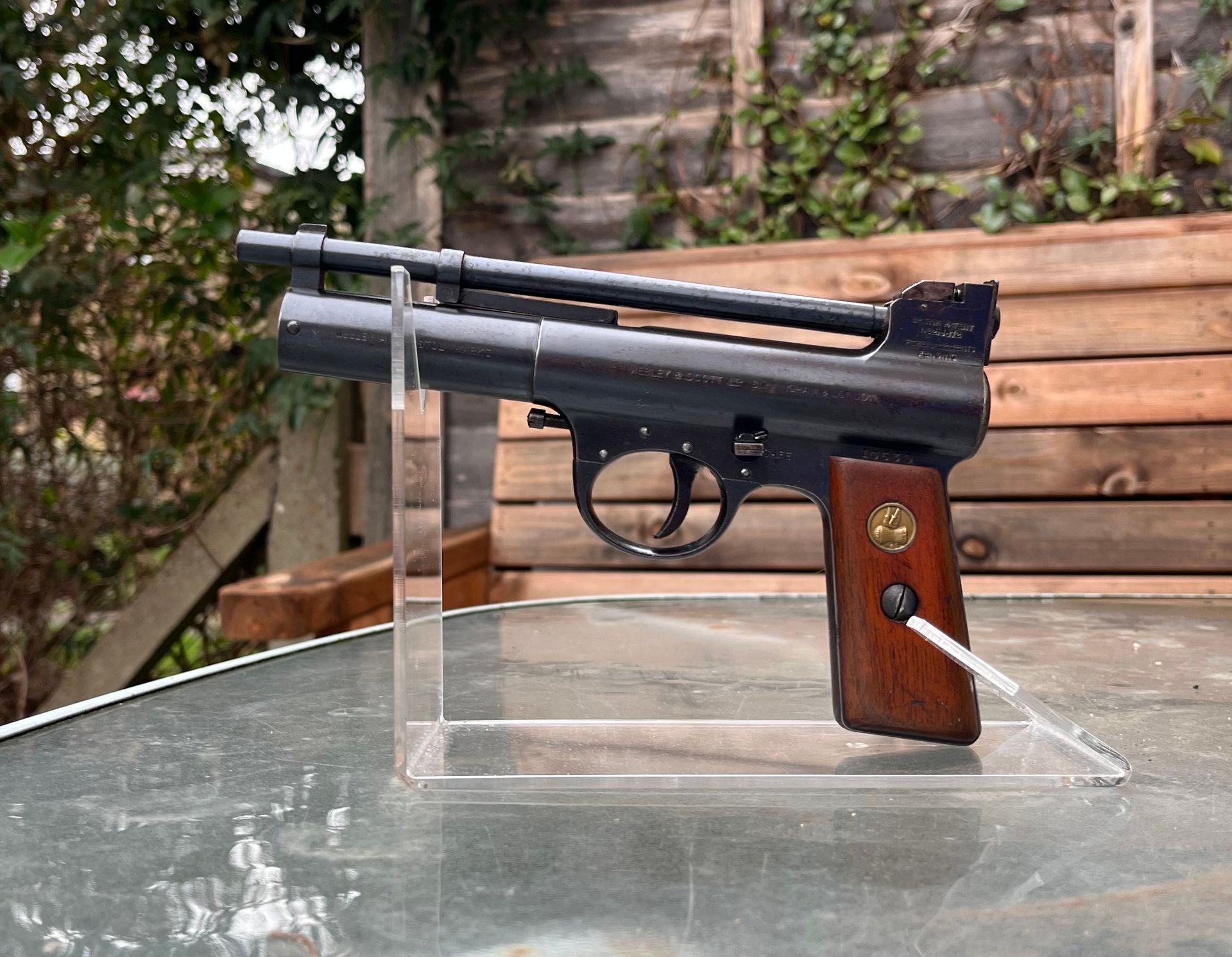
Before World War II, Webley air pistols were: Individually serial-numbered, Manufactured with all-steel construction, These early pistols are often easier to date and are highly sought after by collectors due to their craftsmanship and historical significance.
Post–World War II Webley Air Pistols.
After the war, production methods changed: Pistols were identified using batch numbers, Each batch is estimated to contain around 5,000 pistols, Construction often combined steel and alloy components. This shift makes precise dating more difficult and requires careful examination.
Why Dating Webley Air Pistols Is Difficult.
Accurate dating of Webley air pistols is challenging because no official factory production records are known to exist.
In some cases, pistols may feature a date stamp beneath the left-hand grip, either side of the grip screw, showing the month and year of manufacture. However, collectors should exercise caution, as there are known examples of altered or falsified markings intended to increase value or provenance.
Common Mistakes When Verifying Webley Air Pistols.
Replaceable Parts Can Be Misleading
Dating a Webley pistol based on easily replaceable parts—such as:
Barrels
Grips
Sights
—is a common error and has misled many experienced dealers and collectors.
“Original Box” Claims.
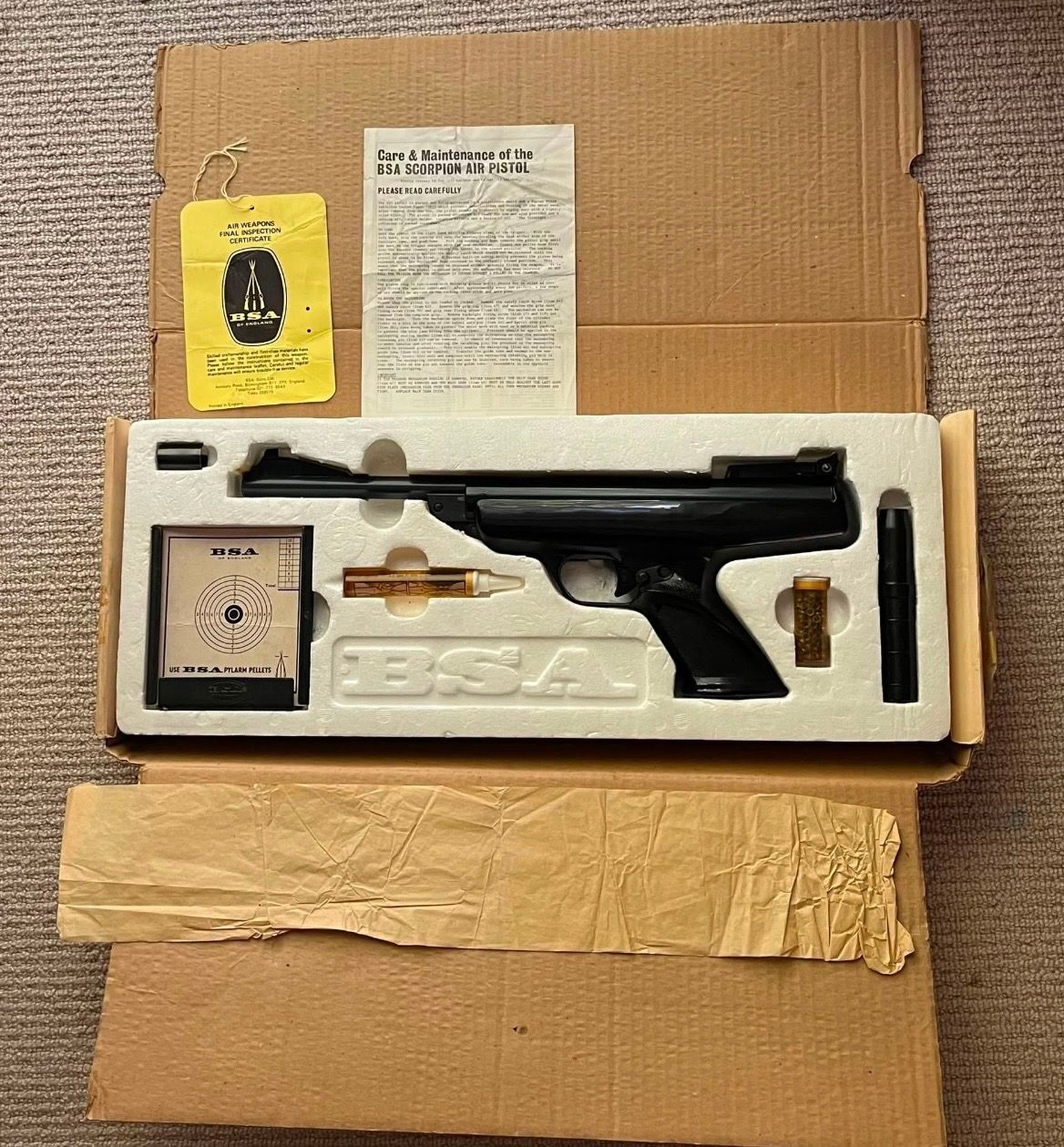
Claims such as “comes with original box” should be treated carefully. While a box may be period-correct, absolute certainty is rarely possible once a pistol has changed hands multiple times.
Webley Air Pistol Construction Types Explained.
Most Webley air pistols fall into one of two construction categories:
Steel body with steel cylinder, Alloy body with steel cylinder.
For clarity throughout this guide, the terms steel and alloy refer only to the pistol body, not internal components.
Chronological List of Webley Classic Air Pistol Models (1924–2005).
Early and Pre-War Models:
1924–1935 — Mark 1 Straight Grip
All steel, serial numbers
1925–1930 — Mark 2 Target Model
All steel, serial numbers
1929–1939 — Junior (Wood/Tin Grips)
All steel, serial numbers
1930–1935 — Senior Straight Grip
All steel, serial numbers
Post-War and Transitional Models:
1935–1964 — Senior Slant Grip
All steel, serial and batch numbers
1935–1964 — Mark 1 Slant Grip
All steel, serial and batch numbers
1946–1973 — Junior Bakelite Slant Grip
All steel, batch numbers
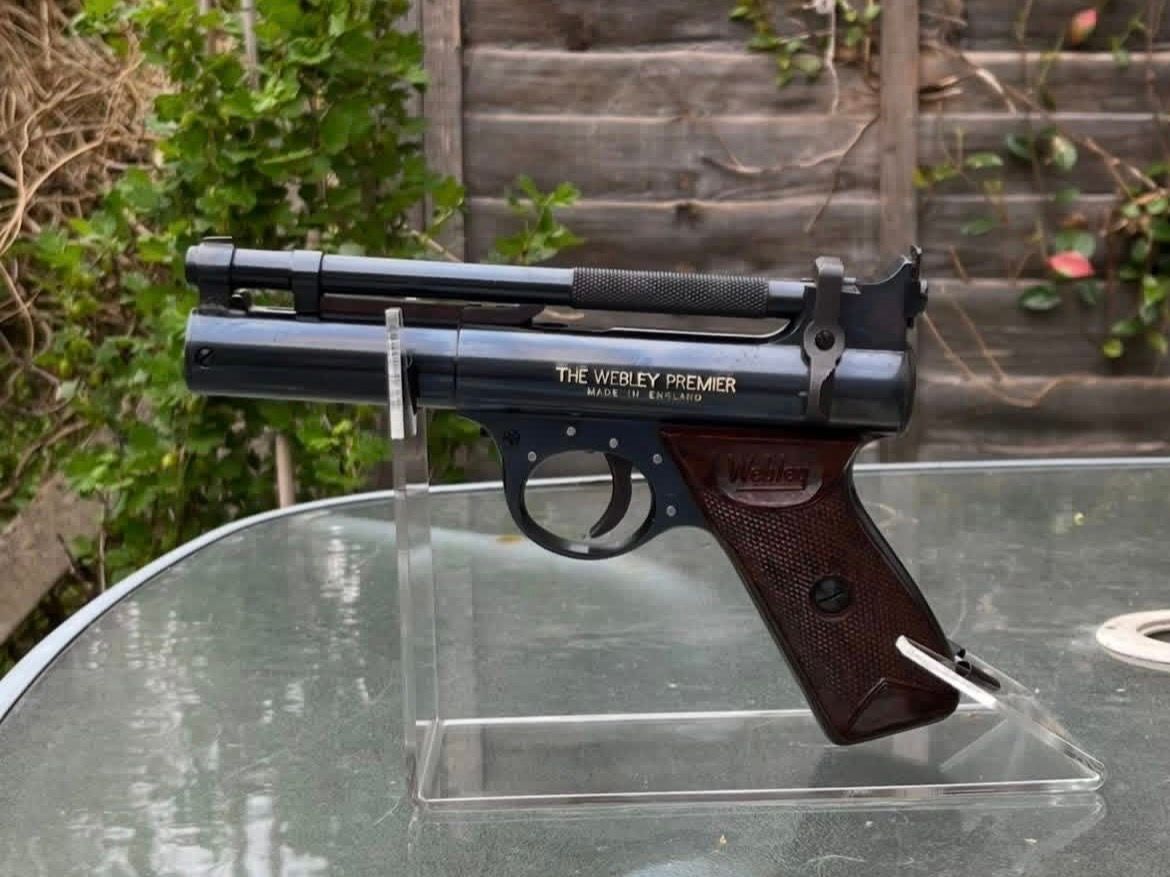
1964–1975 — Premier
All steel, batch numbers
Modern Alloy Models
1973–1976 — Junior Mark 2
Alloy, batch numbers
1975–1977 — Premier Mark 2
Alloy, batch numbers
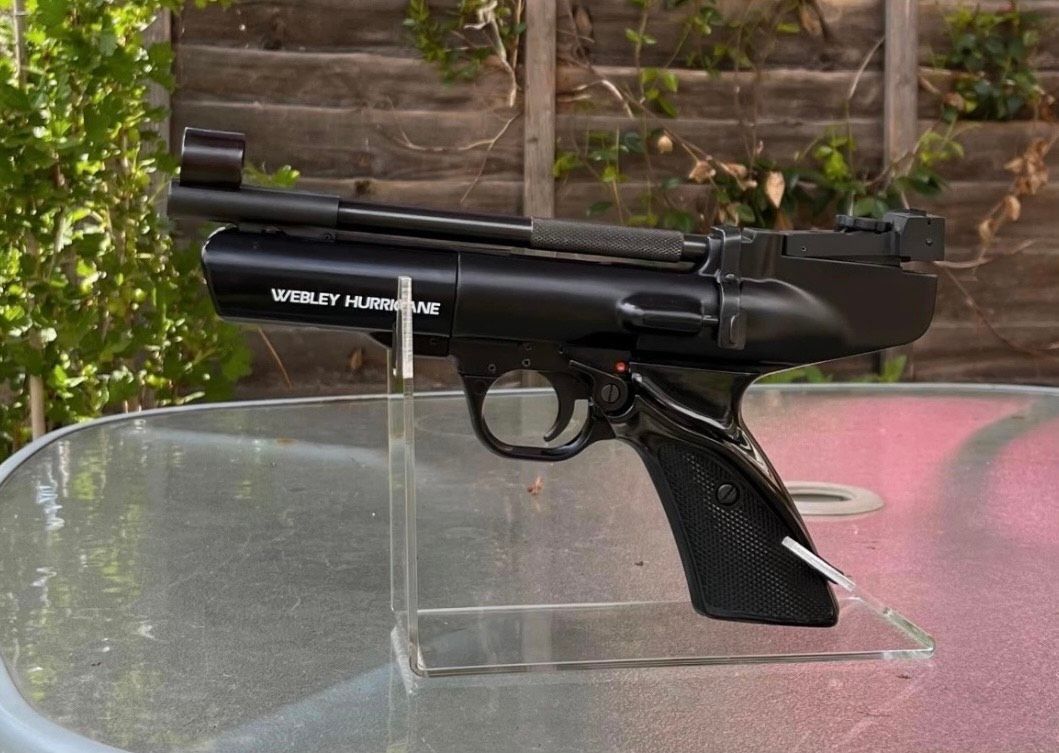
1977–2005 — Hurricane
Alloy, batch numbers
1977–1982 — Typhoon
Alloy, batch numbers
1979–2005 — Tempest
Alloy, batch numbers
1994–2005 — Nemesis
Alloy, batch numbers
Final Thoughts for Webley Owner/Collectors.
Dating and verifying Webley Classic air pistols requires patience, research, and a cautious approach. While absolute certainty is not always possible, understanding production changes, construction methods, and common pitfalls can greatly improve accuracy.
This guide is intended to help collectors make informed decisions and deepen their appreciation of one of Britain’s most iconic air pistol ranges.
Angel Air Parts – preserving the parts, history and knowledge behind classic air pistols.